
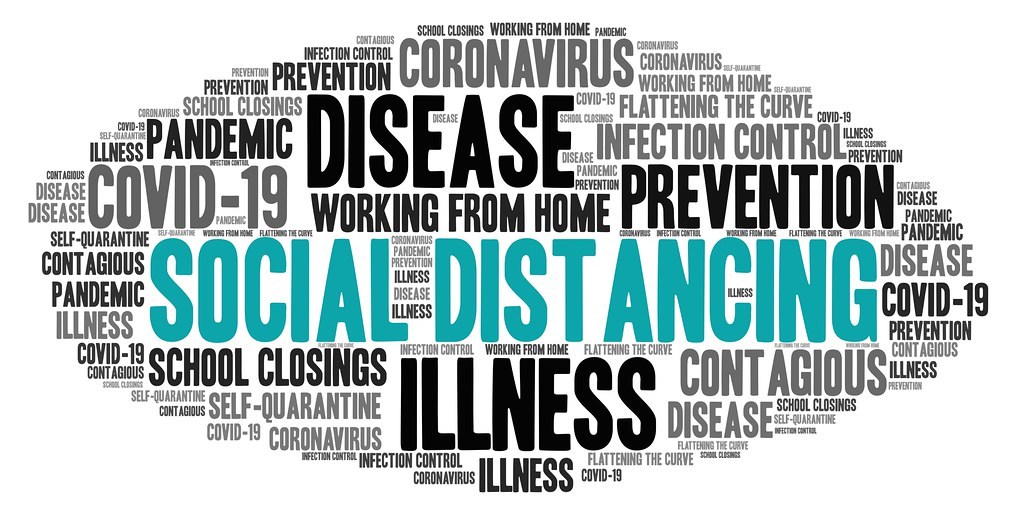
These are — as we’re being reminded from every side — unprecedented times. And one of the more minor consequences is that we’re using unprecedented vocabulary.
Be honest: how often before March did you ever use the word furlough? That’s not the only one. Previously rare phrases like “social distancing”, “self-isolation” and “the new normal” are now bandied about as if they’d always been everyday English.
While the vocabulary might be unprecedented, though, the fact we’re using it isn’t. Special circumstances always give rise to unusual words.
Jargon and Slang
All industries have their own vocabulary. All companies have their own vocabulary, for that matter. One fill-in job I did in between leaving university and getting a “proper job” was as a packer at a light engineering factory.
The drivers used to come in and ask “Any Woolwich?” — which referred to our biggest customer, based in Greenwich. They’d moved from Woolwich several years earlier, but it didn’t matter because everyone relevant knew what the question meant.
Insiders and Outsiders
In some ways, this can be a good thing. Besides speeding up communication within the workplace, it helps give the staff team a sense of bonding. In the same way, any distinct group will develop its own slang, or a special-interest community (from stamp-collecting to sports) will use terminology that’s very specific to the activity.
The downside of this, of course, is that it also, whether by accident or design, excludes outsiders. Historically, many forms of slang have been used to protect members of the group, whether that’s criminals avoiding the police getting wind of their plans, or gay slang in the days when gay sex was illegal.
On the other hand, it might just be to make members feel special. Which is fine — as long as you don’t need to communicate outside the group.
I Know What I Mean
There’s a fundamental problem with using language to communicate with other human beings — that you know what you mean.
What this means is that it isn’t easy to gauge whether anyone else is also going to understand it in the same way. You might underestimate how niche some of your terminology is, if you’re writing about a field you’re an expert in. You might assume everyone knows you’re saying one thing, when a reader could easily take a very different meaning. Or you might even miss embarrassing typos, because your mind is filling in what you meant to say.
Being in the know is one thing, but communicating that effectively to another person can be a very different matter. Just as, if you could talk to yourself ten years younger, you might find that person staring blankly at you when you talk about “social distancing”.
Why not get in touch to see if I can help with your communication — whether by working on your written content or through the training I’m developing?

Nick Blatchley
Copywriter and author, known as the Word Wizard, based in Hertfordshire. I’ve been writing since the age of four and writing for businesses since 2014: websites, blogs, books and social media, all in my clients’ own voices.

Comments